Web Proxies Explained: Boost Your Online Security & Anonymity\n\n## What Exactly is a Web Proxy, Guys?\n\nAlright, let’s dive straight into understanding what a
web proxy
is, because it’s a super useful tool in your digital arsenal, especially when it comes to
online privacy
and
internet security
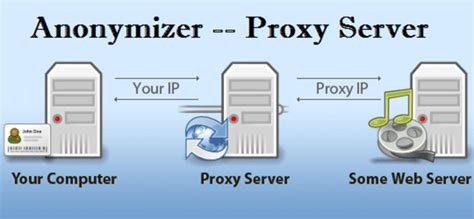
. Think of a web proxy as an intermediary server that sits between your device and the internet. Instead of connecting directly to a website or online service, your request first goes to the proxy server. The proxy then forwards your request to the destination website, and when the website sends its response, it goes back through the proxy, which then sends it back to you. It’s like having a trusted messenger handle all your communications with the outside world. This process offers several key advantages, primarily revolving around masking your
true IP address
and thereby enhancing your
anonymity
online. Imagine you’re trying to access a website; normally, that website would see your device’s unique IP address, which can pinpoint your general geographical location and, combined with other data, even identify you. With a
web proxy
, the website sees the proxy server’s IP address instead of yours. This means your digital footprint becomes a lot harder to track, making it a fantastic option for anyone keen on protecting their personal information and browsing more freely without constant surveillance. Understanding this fundamental concept is crucial for anyone looking to optimize their online experience and make more informed decisions about their
digital security
. We’re talking about a significant upgrade to how you interact with the vast landscape of the internet, making your presence less traceable and your data more secure. So, guys, a web proxy isn’t just some tech jargon; it’s a practical, powerful tool for modern internet usage.\n\n## The Mechanics: How Does a Web Proxy Server Actually Work?\n\nNow that we know what a
web proxy
is, let’s break down the
how
it works, piece by piece, so you can truly grasp its functionality. When you decide to use a
proxy server
, you’re essentially re-routing your internet traffic. Here’s the sequence of events: first, when you type a website address into your browser or try to access any online content, your request isn’t sent directly to the destination server. Instead, it’s initially directed to the configured
proxy server
. This proxy server then acts on your behalf. It takes your request, which includes details like the URL you want to visit, and sends it out to the internet, targeting the actual website’s server. To the destination website, it appears as though the request originated from the proxy server’s
IP address
, not yours. This is a critical step for enhancing
anonymity
and
privacy
. Once the destination website processes the request, it sends the requested data (like the webpage content) back to the proxy server. Finally, the proxy server receives this data and then forwards it back to your device. This entire process happens in a matter of milliseconds, often without you even noticing the extra step. Different types of proxies might add extra layers of functionality, such as
caching frequently accessed web pages
to speed up browsing, or filtering content based on specific rules, which can be immensely useful for businesses or parents. The core idea, however, remains consistent: the proxy acts as a middleman, mediating all your online communications. This mechanism effectively hides your real IP address from the websites you visit, making it much harder for third parties to track your online activities or gather information about your geographical location. Understanding this workflow illuminates why proxies are such a vital component for anyone serious about controlling their
digital footprint
and navigating the internet with greater
security
and
freedom
. It’s a clever system that puts you more in charge of your data flow.\n\n## Diving Deeper: Different Kinds of Web Proxies You’ll Encounter\n\nWhen we talk about
web proxies
, it’s not a one-size-fits-all situation; there are several distinct
types of proxy servers
, each with its own characteristics and ideal use cases. Understanding these differences is key to choosing the right tool for your specific needs, whether it’s enhancing
anonymity
, improving
security
, or bypassing
geo-restrictions
. Let’s explore the main categories, guys, so you can make an informed decision about your
online experience
.\n\n### Transparent Proxies\n\nFirst up, we have
transparent proxies
. As the name suggests, these proxies are
transparent
to both the user and the destination server. This means they don’t hide your IP address from the websites you visit, and you might not even realize you’re using one. So, what’s their purpose? They’re often used by organizations or ISPs for
caching purposes
to speed up internet access or for
content filtering
. For example, a school might use a transparent proxy to block access to certain websites or a company to monitor employee internet usage. While they offer benefits in terms of network efficiency and control, they provide
no anonymity
or privacy benefits for the end-user. If your main goal is to protect your identity online, a transparent proxy isn’t going to cut it, as your
original IP address
is still visible to the web server you’re connecting to. They’re more about managing network traffic and applying organizational policies than about personal
internet security
or
digital freedom
. So, keep this in mind: transparency here means your identity isn’t cloaked.\n\n### Anonymous Proxies\n\nMoving on,
anonymous proxies
are a step up in terms of
privacy
. These proxies
hide your actual IP address
from the websites you visit, presenting the proxy’s IP address instead. This offers a decent level of
anonymity
, making it much harder for websites to track your online activities directly back to you. However, some anonymous proxies might still send a header that indicates you are using a proxy, which could potentially be detected by sophisticated tracking systems. While they mask your identity to a significant degree, they don’t go out of their way to hide the fact that you’re using a proxy at all. They are fantastic for general
web browsing
when you want to keep your
online footprint
a bit more private without needing the highest level of stealth. For many casual users, an anonymous proxy provides a good balance between speed and
privacy protection
, making your everyday internet usage less traceable and more secure against simple data collection efforts. It’s a solid choice for a good baseline of
online security
.\n\n### Highly Anonymous Proxies (Elite Proxies)\n\nFor those seeking the
highest level of anonymity
,
highly anonymous proxies
, often called
Elite Proxies
, are the way to go. These guys are the ninjas of the proxy world. Not only do they hide your
real IP address
, but they also
do not send any header information
that indicates you are using a proxy at all. To the destination website, it appears as if you are connecting directly from the proxy server’s IP address, with no hint of an intermediary. This makes them incredibly difficult to detect, offering the ultimate in
online privacy
and
untraceable browsing
. If you’re looking to bypass stringent
geo-restrictions
, conduct sensitive research, or simply want to maximize your
digital anonymity
without compromise, then an elite proxy is your best bet. They are typically preferred by users who need to avoid detection at all costs, ensuring that their
online activities
remain as private as possible from all but the most advanced forms of
surveillance
. This level of stealth is invaluable for serious
internet security
and
freedom of access
.\n\n### Distinguishing Between HTTP and SOCKS Proxies\n\nBeyond the anonymity levels, proxies can also be categorized by the protocols they support. The two most common are
HTTP proxies
and
SOCKS proxies
. An
HTTP proxy
(Hypertext Transfer Protocol) is designed specifically for web traffic, meaning it works best with applications that use the HTTP protocol, like web browsers. They are excellent for general web browsing, accessing websites, and downloading files. However, they typically only handle HTTP/HTTPS traffic. On the other hand, a
SOCKS proxy
(Socket Secure) is a more versatile type of proxy. It can handle any type of network traffic, regardless of the protocol, including HTTP, HTTPS, FTP, SMTP, and more. This makes SOCKS proxies suitable for a wider range of applications, such as online gaming, P2P file sharing, or using instant messaging clients. While SOCKS proxies offer greater flexibility, they usually don’t provide the same level of encryption or security features as HTTP proxies unless combined with another security protocol. Therefore, choosing between an HTTP and a SOCKS proxy depends entirely on your specific
online activities
and the kind of traffic you need to route through the proxy for enhanced
privacy
and
security
. Both serve to bolster your
online anonymity
, but in different capacities, so pick wisely based on your digital habits.\n\n## Why Should You Care? The Perks of Using a Web Proxy\n\nSo, why should
you
, my friend, seriously consider integrating a
web proxy
into your online routine? Well, the benefits are pretty significant, touching upon critical aspects of your
online privacy
,
security
, and
freedom of access
. Let’s break down the compelling reasons why a proxy server can be a game-changer for your
digital life
. Primarily, one of the biggest draws is
enhanced anonymity
. As we discussed, a proxy server hides your real IP address, making it much harder for websites, advertisers, and even governments to track your
online activities
back to your personal device. This increased privacy means you can browse the web with a greater sense of security, knowing that your
digital footprint
is significantly minimized. It’s about taking control of your data and preventing unwanted surveillance. Beyond just hiding your IP, proxies can also be invaluable for
bypassing geo-restrictions
and
internet censorship
. Ever tried to watch a video or access a service only to be told it’s “not available in your region”? That’s geo-blocking in action. By connecting through a proxy server located in a different country, you can effectively “trick” the website into thinking you’re browsing from that location, thus unlocking content that would otherwise be inaccessible. This opens up a whole new world of content, from streaming services to news sites, offering unparalleled
freedom of access
. Furthermore, proxies can significantly boost your
security
against certain threats. Some proxies offer basic
content filtering
, blocking malicious websites or ads before they even reach your device, reducing your exposure to
malware
and
phishing attempts
. While not a substitute for a comprehensive cybersecurity suite, it adds an extra layer of defense. For businesses, proxies are crucial for
monitoring and managing internet usage
within their networks, ensuring productivity and enforcing security policies. They can also improve
network performance
by caching frequently accessed web pages, leading to faster load times. All these advantages underscore why a
web proxy
isn’t just a niche tool for tech-savvy users; it’s a versatile solution for anyone looking to navigate the internet more
privately
,
securely
, and
without boundaries
. The emphasis on
data protection
and
unrestricted access
makes it an essential consideration in today’s increasingly connected world. Guys, taking charge of your online presence starts with understanding and utilizing tools like proxies.\n\n## Web Proxies vs. VPNs: What’s the Real Difference, and Which is For You?\n\nThis is a question that frequently pops up, guys: what’s the real distinction between a
web proxy
and a
VPN (Virtual Private Network)
, and how do you decide which one is the right fit for your
online security
and
privacy
needs? While both tools aim to reroute your internet traffic and mask your IP address, they operate at fundamentally different levels and offer varying degrees of protection. Understanding these differences is crucial for making an informed choice for your
digital safety
. A
web proxy
, as we’ve discussed, typically works at the application level, meaning it usually only redirects traffic from a specific application, like your web browser. When you use a proxy, only the traffic from that particular browser or application goes through the proxy server. This means other applications on your device, like email clients or gaming apps, will continue to connect directly to the internet, revealing your
true IP address
. Proxies generally
do not encrypt
your internet traffic. While they hide your IP from websites, the data you send and receive between your device and the proxy server, and then between the proxy and the destination website, is often
unencrypted
. This can make your data vulnerable to interception, especially on unsecured networks. In contrast, a
VPN
works at the operating system level, creating an
encrypted tunnel
for
all
your internet traffic, regardless of the application. When you connect to a VPN server, every single piece of data leaving your device – from your web browser to your background apps – is routed through that secure, encrypted tunnel. This means your entire online session is protected, not just your browser activity. VPNs offer robust
encryption
standards (like AES-256), which scrambles your data, making it virtually unreadable to anyone who might intercept it. This comprehensive
security
and
privacy
make VPNs ideal for ensuring
complete digital anonymity
and safeguarding sensitive information, especially on public Wi-Fi networks. So, if you’re looking for
browser-specific anonymity
or to
bypass geo-restrictions
for certain websites without affecting your entire device’s traffic, a proxy might be sufficient. But if
total device-wide encryption
,
maximum security
, and
complete privacy
across all your online activities are your priorities, then a VPN is undoubtedly the superior choice. Think of it this way: a proxy is a specific disguise for your browser, while a VPN is a full-body invisibility cloak for your entire device, offering a far more encompassing solution for
internet security
and
data protection
. Both have their places, but their scope and
security features
differ significantly.\n\n## Picking the Right Proxy: A Guide to Smart Choices\n\nSo, you’re convinced that a
web proxy
could be a valuable asset for your
online privacy
and
security
– fantastic! But now comes the important part: how do you go about
picking the right proxy
for your specific needs? With so many options out there, it can feel a bit overwhelming, but by focusing on a few key factors, you can make a smart, informed decision. First and foremost, consider the level of
anonymity
you require. If you’re simply looking to
bypass basic geo-restrictions
or hide your IP for casual browsing, a standard anonymous proxy might suffice. However, if your activities demand the utmost stealth and you need to avoid detection at all costs, then investing in a
highly anonymous proxy
(Elite Proxy) is essential. This distinction is critical for
data protection
and truly controlling your
digital footprint
. Next up, think about the
speed and reliability
of the proxy. Free proxies, while tempting, often come with significant downsides: they can be incredibly slow, unreliable, and sometimes even unsafe. Many free proxy services collect user data or inject ads, completely negating any
privacy benefits
. For serious use, a
paid proxy service
or a
dedicated proxy
is almost always the better option. Paid services typically offer faster speeds, higher bandwidth, more server locations, and crucially, better
security features
and customer support. Don’t compromise your
online experience
for the sake of a few bucks. The
location of the proxy server
is another vital factor, especially if you’re aiming to
bypass geo-blocking
. Choose a proxy server located in the country where the content you want to access is available. A wide range of server locations offered by a proxy provider indicates greater flexibility. Finally, always check the
provider’s reputation
and
privacy policy
. A trustworthy proxy provider will have a clear no-logs policy, meaning they don’t record your
online activities
. Reviews and recommendations from reliable sources can also guide you. Remember, the goal is to enhance your
internet security
and
online freedom
, not to inadvertently expose yourself to new risks. By carefully evaluating these points, you’ll be well on your way to
choosing the right web proxy
that aligns perfectly with your
digital privacy
goals and ensures a smoother, more secure
online experience
. Taking the time to select a
reliable proxy
is an investment in your peace of mind.\n\n## Wrapping It Up: Making Informed Choices for Your Digital Life\n\nAlright, guys, we’ve covered a lot of ground today, from the fundamental concept of
what a web proxy is
to the intricate details of
how they work
, their
various types
, and the myriad
benefits
they offer for your
online privacy
and
security
. We even touched upon the crucial differences between proxies and VPNs, giving you a clearer picture of their distinct roles in your
digital life
. The internet is an amazing place, full of information and connectivity, but it also comes with its share of challenges, especially concerning
data protection
,
surveillance
, and
restricted access
. That’s where tools like
web proxies
step in, empowering you to navigate the digital world with greater confidence and control. Remember, a
web proxy
serves as your digital middleman, effectively masking your
true IP address
and providing a layer of
anonymity
that can be invaluable for everything from casual browsing to
bypassing geo-restrictions
and ensuring more secure
online activities
. Whether you opt for a highly anonymous proxy for maximum stealth or a more straightforward HTTP proxy for specific web tasks, the key is making
informed choices
based on your personal needs and priorities. Never underestimate the importance of understanding the tools at your disposal to safeguard your
digital footprint
. Always prioritize
reliable proxy services
that respect your
privacy
with clear no-logs policies and offer robust
security features
. In an era where
online security
and
personal data protection
are paramount, being proactive about your digital defenses isn’t just a recommendation—it’s a necessity. By leveraging
web proxies
intelligently, you’re not just hiding your IP; you’re actively shaping a more
private
,
secure
, and
unrestricted online experience
for yourself. So go forth, explore, and stay secure, my friends! Your
online freedom
and
digital well-being
are worth protecting with every tool you’ve got.\n
