USA vs. Canada: Air Quality Index Explained Hey there, guys! Ever wonder about the air you’re breathing, especially when comparing the
USA vs. Canada
? It’s a pretty hot topic, and understanding the
Air Quality Index (AQI)
is super important for our health and well-being. Whether you’re planning a trip, considering a move, or just curious about your local environment, knowing how these two North American neighbors stack up in terms of air quality can be incredibly insightful. We’re going to dive deep into what the AQI actually means, how it’s measured in both countries, and what factors influence the air we breathe on both sides of the border. It’s not just about looking at numbers; it’s about understanding the nuances, the shared challenges like
wildfires
and
transboundary pollution
, and how you can stay informed to protect yourself and your loved ones. So, grab a comfy seat, and let’s unravel the mysteries of
air quality in USA vs. Canada
together! This isn’t just a dry comparison; it’s a look at how environmental science impacts our daily lives and what it means for our health, from coast to coast. We’ll explore everything from the specific pollutants monitored to the unique health indices used, ensuring you get a comprehensive picture of air quality across these two vast nations. Our goal is to make this complex topic easy to understand, so you can make informed decisions about your environment and health, knowing the critical differences and similarities that define
air quality monitoring
and reporting in
USA and Canada
. The journey through the atmosphere of North America starts now! We’ll break down the technical jargon and present the information in a friendly, conversational way, making it accessible to everyone, regardless of their scientific background. Ready to clear the air? Let’s get into it, folks! It’s an exploration that touches on public health, environmental policy, and even how global events can literally change the air we breathe every single day. Understanding the
Air Quality Index (AQI)
in the context of
USA vs. Canada
provides a fascinating insight into environmental stewardship and the interconnectedness of our continent. We’re talking about the invisible elements that surround us, yet have such a profound impact on our lives. From the bustling cities to the quietest rural areas,
air quality
is a constant factor that shapes our experiences, and getting a handle on its measurement and interpretation is key. So, let’s peel back the layers and truly understand what’s going on up there, above our heads, as we compare the
air quality efforts
and realities in
USA and Canada
. This extensive look will help you grasp not just the data, but the policies, the science, and the shared commitment to cleaner air that drives initiatives across both nations. You’ll be well-equipped to discuss
air quality trends
and challenges with confidence after this deep dive. Let’s go! # Understanding the Air Quality Index (AQI) and Air Quality Health Index (AQHI) So, what exactly is the
Air Quality Index (AQI)
, and how does it play into our
USA vs. Canada
comparison? At its core, the AQI is a tool used by government agencies to communicate to the public how polluted the air currently is or how polluted it is forecast to become. It tells you about any associated health effects you might experience within a few hours or days after breathing polluted air. Essentially, it’s a scale that translates complex air quality data into a simple, color-coded number, making it easy for us average folks to understand. In the
USA
, the
Environmental Protection Agency (EPA)
uses the AQI. This index focuses on five major air pollutants regulated by the Clean Air Act: ground-level
ozone
,
particulate matter
(PM2.5 and PM10),
carbon monoxide
,
sulfur dioxide
, and
nitrogen dioxide
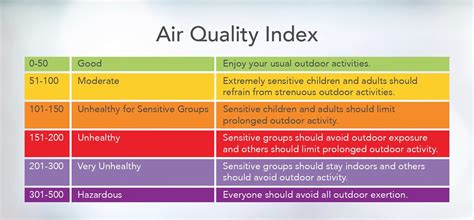
. Each of these pollutants has its own national air quality standard, and the AQI takes the highest reading among them to determine the overall index value for a specific location. The AQI scale runs from 0 to 500, with higher values indicating greater air pollution and thus greater health concern. The EPA breaks this down into distinct categories:
Good
(0-50, green),
Moderate
(51-100, yellow),
Unhealthy for Sensitive Groups
(101-150, orange),
Unhealthy
(151-200, red),
Very Unhealthy
(201-300, purple), and
Hazardous
(301-500, maroon). Each category comes with specific health advisories, guiding sensitive individuals (like those with asthma or heart conditions) and the general public on how to protect themselves. When the air quality is in the orange or red zones, it’s a clear signal to modify outdoor activities, especially for vulnerable populations. For example, during periods of high
wildfire smoke
, which we’ve seen impact
both USA and Canada
significantly, the AQI can easily soar into the
Very Unhealthy
or even
Hazardous
categories, prompting widespread health warnings. This color-coded system makes it incredibly intuitive to grasp the severity of the situation at a glance, allowing for quick, informed decisions about outdoor exposure. It’s a crucial public health tool that translates complex scientific data into easily digestible information. Now, let’s shift our gaze north to
Canada
, where things are a little different, but with the same goal.
Canada
uses the
Air Quality Health Index (AQHI)
, developed by Environment and Climate Change Canada (ECCC) and Health Canada. While it also provides a scale for
air quality
, its primary focus is on the
health risk
associated with breathing the current air, rather than just pollutant concentrations. The AQHI is a scale from 1 to 10+, with higher numbers meaning greater health risk. It looks at three main pollutants:
ozone
(at ground level),
particulate matter
(PM2.5), and
nitrogen dioxide
. What makes the AQHI unique is its direct correlation to health outcomes. It’s designed to help people understand what the air quality means to
them
, offering advice for both the general population and those at higher risk, like children, seniors, and individuals with respiratory or cardiovascular conditions. The AQHI categories are:
Low Risk
(1-3),
Moderate Risk
(4-6),
High Risk
(7-10), and
Very High Risk
(10+). Just like the AQI, these categories come with specific recommendations, such as reducing strenuous activities outdoors when the risk is high. For instance, if the AQHI in a Canadian city hits a 7 or higher due to industrial emissions or
wildfire smoke drifting from the USA
, the advice will be clear: consider reducing or rescheduling strenuous activities outdoors, and for those with pre-existing conditions, talk to your doctor. It’s a slightly different philosophical approach, moving from a pure pollutant concentration index to a health risk index, which some argue provides more actionable information for individuals. Both systems are vital for protecting public health, but their subtle differences in presentation and focus are key to understanding the full picture of
air quality in USA vs. Canada
. # Air Quality in the United States: EPA’s Role and Challenges When we talk about
air quality in the USA
, the
Environmental Protection Agency (EPA)
is the big player, guys. Established in 1970, the EPA is responsible for setting and enforcing national air quality standards under the
Clean Air Act
. This landmark legislation mandates the EPA to protect public health and welfare from various air pollutants. The core of their work revolves around the
National Ambient Air Quality Standards (NAAQS)
, which set limits for the six common
