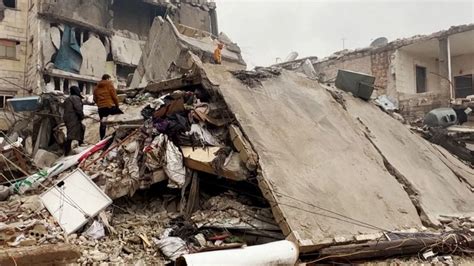
Erdogan’s Role: Navigating Turkey’s Earthquake AftermathSometimes, life throws the absolute toughest challenges our way, and for
Turkey
, the devastating earthquakes that struck on February 6, 2023, were nothing short of an unfathomable catastrophe. These quakes, centered near Gaziantep and Kahramanmaraş, were incredibly powerful, registering magnitudes of 7.8 and 7.5, respectively. They didn’t just shake the ground; they
shattered
lives, leveled entire cities, and left millions in a state of shock and despair. The sheer scale of the destruction was, frankly, mind-boggling, affecting ten provinces and impacting an estimated 13.5 million people directly. Thousands of buildings collapsed, trapping countless individuals under rubble, and the death toll tragically climbed into the tens of thousands. This wasn’t just a natural disaster; it was a profound national trauma that tested the very fabric of Turkish society. As the immediate chaos unfolded, all eyes quickly turned to
President Recep Tayyip Erdogan
and his administration. People, both within Turkey and globally, wanted to know: how would the government respond to such an unprecedented crisis? What steps would be taken to save lives, provide aid, and ultimately, begin the long, arduous process of rebuilding? The challenge for
Erdogan’s government
was immense, not just in terms of logistics and resources, but also in managing public perception and maintaining trust during a period of intense grief and anger. This article will dive deep into
Erdogan’s complex role
during and after
Turkey’s earthquake
, exploring his administration’s initial actions, the criticisms it faced, and the ambitious reconstruction efforts that followed. We’re going to break down how this massive event shaped
Turkey’s political landscape
and
Erdogan’s enduring legacy
. So, let’s get into it and understand how one of the most powerful leaders in Turkish history navigated perhaps his biggest test. The
Turkey earthquake
response became a crucial moment for
Erdogan
and his political future, demanding immediate and effective
disaster management
. The tremors were felt across a vast region, not just in
Turkey
but also in neighboring Syria, making it an international humanitarian crisis. The world watched, horrified, as images of crumpled buildings and desperate rescue efforts filled news screens. For many, it brought home the stark reality of how quickly life can change. The challenge was multifaceted: rescue, relief, recovery, and then the monumental task of reconstruction. This catastrophic event immediately placed immense pressure on
President Erdogan’s leadership
, demanding quick decisions and robust execution in the face of widespread devastation. The initial hours and days were critical, and every move
Erdogan’s government
made was scrutinized under the harshest spotlight. How they handled this
Turkey earthquake
would define much of their future. These events cast a long shadow, demanding answers about
building safety
,
emergency preparedness
, and the capacity of the state to protect its citizens. This
Turkey earthquake
truly tested everyone involved, from the first responders to the highest levels of government. It truly was a national wake-up call, emphasizing the urgent need for resilient infrastructure and efficient
disaster management
. The sheer scope of the destruction meant that
Erdogan’s response
had to be comprehensive and sustained. This was not a short-term problem but a long-term challenge requiring extensive resources and unwavering commitment. The immediate aftermath was a scramble for survival and a desperate search for loved ones. The world rallied, but the primary responsibility fell squarely on
Erdogan’s administration
to lead the charge. The
Turkey earthquake
became a defining moment.## President Erdogan’s Immediate Actions and Initial ResponseNow, let’s talk about the initial scramble and
President Erdogan’s immediate actions
following the twin earthquakes. When such a massive disaster strikes, the first few hours and days are absolutely critical, and every decision, every movement, is under intense scrutiny.
Erdogan’s government
was faced with an unprecedented emergency, and their primary goal was to mobilize everything possible for search and rescue. Guys, imagine the chaos: collapsed buildings everywhere, roads damaged, communication lines down, and winter weather conditions making things even tougher.Despite these immense challenges,
Erdogan
quickly declared a state of emergency in the ten affected provinces, a necessary step to free up resources and streamline coordination. He mobilized the Turkish Armed Forces, a crucial move given their logistical capabilities and manpower, deploying thousands of soldiers to assist with rescue efforts and aid distribution. The national disaster agency, AFAD (Disaster and Emergency Management Presidency), was thrust into the spotlight, coordinating thousands of local and international search and rescue teams. From the get-go,
Erdogan
emphasized national unity and a rapid, comprehensive
government response
. He frequently visited the disaster zones, often accompanied by ministers, to convey a message of solidarity and direct oversight. He was on the ground, witnessing the devastation firsthand, trying to reassure a traumatized populace that help was on the way. He made very clear promises: no one would be left behind, and homes would be rebuilt swiftly. This kind of visible leadership, while vital, also put immense pressure on him to deliver.The
Turkey earthquake
exposed both the strengths and weaknesses of the country’s
disaster management
system. While a massive number of personnel and volunteers were deployed, the sheer scale of the destruction meant that aid struggled to reach all areas immediately. Some remote villages faced delays, leading to frustration and criticism, which we’ll delve into more shortly. However, the outpouring of support from ordinary citizens, NGOs, and the international community was truly remarkable.
Erdogan’s administration
worked to facilitate this aid, setting up collection points and logistics hubs. But let’s be real, no government could have been perfectly prepared for a disaster of this magnitude. The challenge was not just about getting people out from under the rubble, but also providing shelter, food, and medical care to millions who had suddenly lost everything.
Erdogan’s statements
during these early days often focused on the resilience of the Turkish people and the determination of the state to overcome the crisis, stressing that this was a test for the nation. He tried to rally everyone together, projecting an image of strong leadership in the face of unimaginable tragedy. The
initial response
set the tone for the long road ahead, laying bare the complexities of managing a national crisis under intense global scrutiny. It became clear that
Erdogan’s government
was grappling with a situation that stretched its capabilities to the absolute limit, requiring unprecedented coordination and a steadfast resolve to support the affected communities. This
Turkey earthquake
really highlighted the need for robust emergency protocols and effective logistical planning on a massive scale, and
Erdogan
was at the helm, attempting to steer the ship through the storm. His presence in the field and repeated addresses to the nation were key components of his strategy to maintain public confidence amidst the widespread devastation.## Navigating the Storm: Criticism and Challenges Faced by ErdoganBut hey, it wasn’t all smooth sailing, was it? While
President Erdogan’s government
worked tirelessly, the sheer scale of the disaster meant that the
Turkey earthquake aftermath
brought with it a wave of intense criticism and significant challenges. You see, when something so devastating happens, people naturally look for answers, and sometimes, those answers lead to questions about accountability. One of the most significant criticisms leveled at
Erdogan’s administration
was the perceived slowness of the initial rescue efforts in some areas. Many survivors and local officials reported delays in the arrival of aid and professional rescue teams, especially in the first 24-48 hours. This delay was heartbreaking for those trapped under rubble or waiting for news of loved ones, leading to a lot of public anger and frustration. Critics argued that despite
Turkey’s
experience with earthquakes, the
disaster management
system, particularly AFAD, wasn’t adequately prepared for an event of this magnitude. The main keywords here really highlight this:
Erdogan’s government criticism
,
slow response
,
disaster preparedness
.Another massive point of contention, and perhaps the most sensitive, revolved around building quality and construction standards. For years, there have been concerns about lax enforcement of building codes, especially after previous earthquakes. Despite stringent regulations technically being in place, many of the collapsed buildings were relatively new, sparking accusations of corruption, poor workmanship, and inadequate oversight from local and central government bodies. Critics pointed fingers at zoning amnesty laws, which effectively pardoned illegal constructions that violated safety standards, in exchange for a fee. This became a huge issue, with many asking if lives were lost not just due to the earthquake, but due to human negligence and greed.
Erdogan
himself had overseen numerous large-scale construction projects during his tenure, making his administration a focal point for these accusations. The
building quality
debate was central to the
Turkey earthquake
discourse, fueling public resentment. The opposition parties were quick to seize on these issues, turning the disaster into a major political battlefield, especially with elections on the horizon. They accused
Erdogan’s government
of prioritizing economic growth and urban development over safety. Social media, despite some government attempts to restrict access, became a powerful platform for people to share their grievances, photos of collapsed new buildings, and stories of delayed help. The government’s communication strategy also faced challenges. While
Erdogan
maintained a visible presence, his administration was also accused of attempting to control the narrative and downplay the extent of the criticisms. This perceived lack of transparency only fueled further mistrust among some segments of the population. The
challenges faced by Erdogan
were multifaceted, involving not just the immediate
disaster response
but also a deeper reckoning with long-standing issues of governance, regulation, and accountability. It was a tough period for
Erdogan’s leadership
, pushing him to address profound questions about the state’s role in protecting its citizens and ensuring their safety against natural disasters. The
Turkey earthquake
wasn’t just a physical tremor; it created political aftershocks that
Erdogan’s government
had to navigate carefully, trying to balance urgent relief with the need for systemic changes and public reassurance amidst growing unrest and calls for deeper investigations into the widespread building failures that cost so many lives. This period was crucial in shaping public opinion and
Erdogan’s political standing
, forcing a public examination of government policies related to urban development and disaster mitigation.## Rebuilding Hope: Erdogan’s Vision for Turkey’s ReconstructionAlright, so what’s next after such devastation? Once the immediate rescue and relief efforts began to stabilize, the monumental task of
rebuilding Turkey
became the primary focus for
President Erdogan’s government
. This wasn’t just about putting bricks and mortar back together; it was about
rebuilding hope
, restoring livelihoods, and creating safer, more resilient communities.
Erdogan
immediately set an incredibly ambitious goal: to rebuild hundreds of thousands of homes within a single year. Guys, think about that — a year! That’s a huge promise, a massive undertaking that would require unprecedented speed and coordination.The core of
Erdogan’s vision for Turkey’s reconstruction
centered on building new, earthquake-resistant homes and infrastructure. He pledged to construct hundreds of thousands of new housing units, ensuring they adhered to the latest seismic codes, learning from the tragic failures of the past. These new housing projects were designed to be modern, safe, and integrated into new urban plans, with accompanying schools, hospitals, and community facilities. The idea was not just to replace what was lost, but to build back better, creating more secure environments for future generations. This focus on rapid and high-quality construction became a key promise of
Erdogan’s administration
and a central theme of his messaging during the post-earthquake period.To fund this massive endeavor,
Erdogan’s government
earmarked significant national resources and also sought international aid and investment. While the full financial cost is still being tallied, it’s clear that this will be one of the largest reconstruction efforts in modern history. The government launched various campaigns, encouraging both domestic and international contributions, emphasizing the collective effort required to bring the affected regions back to life.
Erdogan
consistently reiterated that the state would bear the primary burden, ensuring that citizens would not be left alone to face the financial strain of rebuilding their lives.Beyond housing, the
reconstruction efforts
extended to repairing damaged infrastructure like roads, bridges, and utilities, which were essential for economic recovery and returning a sense of normalcy. There was also a strong emphasis on urban planning, with a focus on creating
